Type 2 vs CCS2 (and CHAdeMO): EV charging connectors in Singapore
Type 2 is Singapore's AC connector, CCS2 its DC one, and CHAdeMO only an extra. What LTA requires, what the pins do, and how to pick a Type 2 EV charger.
The short answer
In Singapore, Type 2 is the connector for AC charging and CCS2 (Combo 2) is the connector for DC fast charging. LTA requires publicly accessible chargers to have Type 2 and/or CCS2 connectors, and allows CHAdeMO only in addition to them. LTA's driver guide says EVs in Singapore are fitted with Type 2 and Combo 2 inlets.
- Type 2 is the AC connector: seven contacts, for single-phase or three-phase charging.
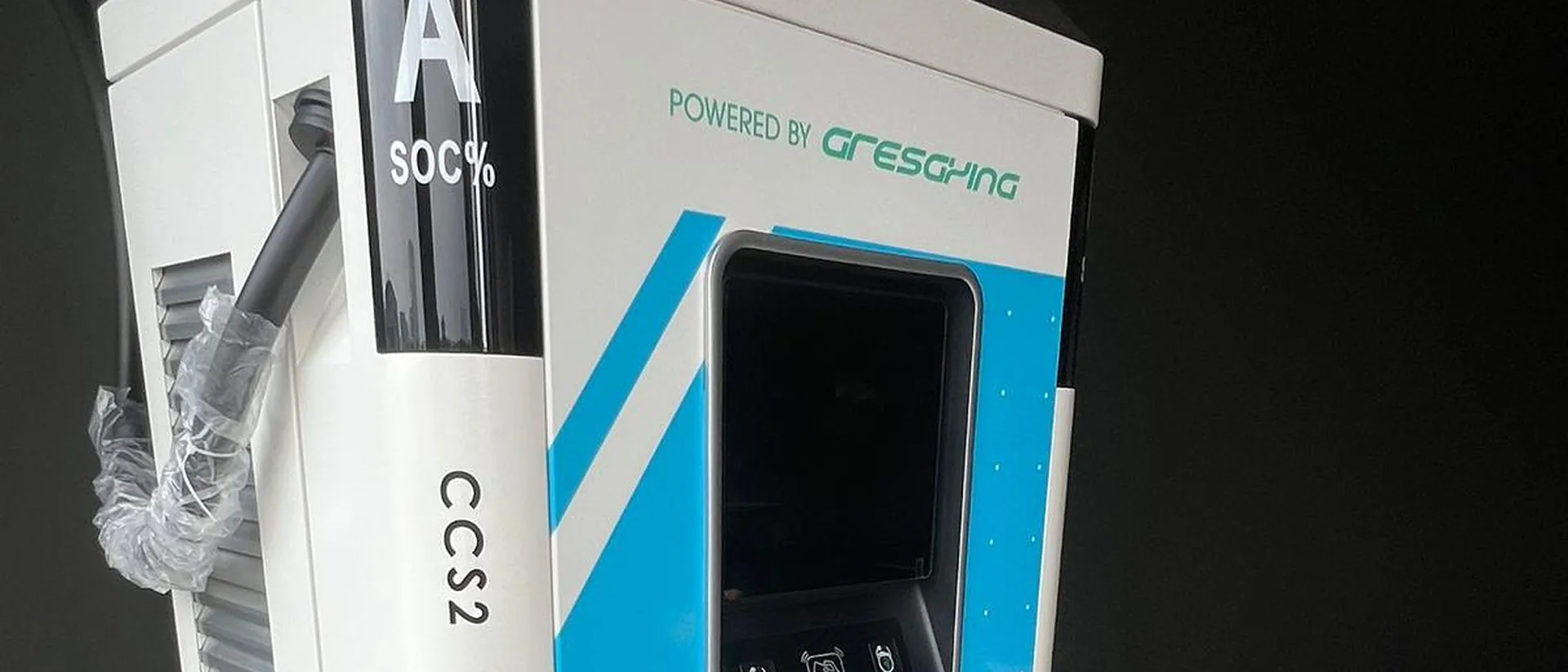
- CCS2 (Combo 2) is the Type 2 face with two large DC contacts added below it, for DC fast charging.
- Publicly accessible chargers, HDB carparks included, must offer Type 2 and/or CCS2; CHAdeMO is allowed only in addition.
- LTA's driver guide says EVs here are fitted with Type 2 and Combo 2 inlets.
- Adaptors are ruled out. If a connector does not fit, the answer is a different charger.
On this page (7 sections)
Type 2 and CCS2: the two connectors that matter here
Every EV charger ends in a connector, and the connector has to match the inlet on the car. In Singapore that comes down to two designs. Type 2 is the AC connector, found on home wall chargers and on public AC chargers. CCS2, short for Combined Charging System 2 and also called Combo 2, is the DC connector used for fast charging.
A word on terms, because they get mixed up. The connector is the plug on the end of the charging cable. The inlet is the socket on the car that it plugs into. A socketed charger also has a socket of its own, on the charger, which a separate cable plugs into.
The two are related. CCS2 is the Type 2 face with two large DC contacts added below it, so one inlet on the car can take a Type 2 plug for AC and a CCS2 plug for DC. LTA's guide for EV drivers sums up the Singapore position: EVs here are fitted with two types of charging inlet, Type 2 and Combo 2, and both are found at all public chargers.
For you, the practical upshot is that connectors are rarely the hard part. An AC charger with a Type 2 connector plugs into the inlets LTA describes, and a DC charger with CCS2 does the same for fast charging. The rest of this guide explains the rules behind that, what each pin does, and the few choices that are left to you.
What does LTA require at public chargers?
For publicly accessible locations, LTA allows only fixed chargers that come with Type 2 AC and/or CCS2 DC connectors. Publicly accessible means anywhere a charger can be used by any member of the public, and LTA names HDB carparks, malls and petrol kiosks among them.
The direction is not new. The 2016 revision of TR 25, Singapore's technical reference for EV charging, already required all new public charging infrastructure to provide either Type 2 AC or CCS2 DC charging. TR 25 has since become Singapore Standard SS 722; our guide to TR 25 and SS 722 explains what changed.
| Connector | Used for | Where LTA allows it |
|---|---|---|
| Type 2 | AC charging | Public and private chargers. A public charger must offer Type 2 AC and/or CCS2 DC. |
| CCS2 (Combo 2) | DC fast charging | Public and private chargers, under the same rule. |
| CHAdeMO | DC fast charging | At public chargers, only in addition to Type 2 and/or CCS2, never instead of them. |
| Type 1, CCS1, proprietary | AC or DC | May also be provided at non-public sites, where covered under TR 25. |
So the rule binds public chargers, and private sites have more latitude on paper. In practice, with EVs here fitted with Type 2 and Combo 2 inlets, a Type 2 charger for AC and CCS2 for DC is what fits the cars on the road.
What do the pins on a Type 2 and CCS2 plug do?
Type 2 is defined in IEC 62196, the international standard for EV plugs and inlets, and it is a seven-pin interface. Five pins carry power: three phase conductors (L1, L2 and L3), neutral (N) and protective earth (PE). The three phase pins are what let a Type 2 plug carry three-phase AC, and so more AC power than a single phase can.
The other two are signal pins. The proximity pilot (PP) handles signalling as the plug goes in, before charging starts. The control pilot (CP) handles signalling once the plug is connected, between the charger and the car.
CCS2 keeps that whole face and adds two high-current DC contacts below it. Power for a DC charge flows through those two large contacts. That shared upper face is why a car with a Combo 2 inlet can take a Type 2 plug for AC charging as well.
| Contact | Name | What it does |
|---|---|---|
| L1, L2, L3 | Phase conductors | Carry AC power; three-phase charging uses all three |
| N | Neutral | Completes the AC power circuit |
| PE | Protective earth | The earth connection, for safety |
| PP | Proximity pilot | Signalling as the plug is inserted |
| CP | Control pilot | Signalling between charger and car once connected |
| Two DC contacts | CCS2 only | Carry DC power for fast charging |
One consequence of that design: the plug alone tells you nothing about speed. The same Type 2 connector serves a charger of up to 7.4kW on single-phase supply and one of 11kW or 22kW on three-phase. After that, the car's onboard charger has the final say. LTA's own example is a car that only supports single-phase charging, which still charges at 3.7kW on an 11kW three-phase charger.
Where does CHAdeMO fit?
CHAdeMO is a separate DC connector with its own inlet on the car. LTA allows it at publicly accessible sites only as an alternative charging option, in addition to Type 2 and/or CCS2 connectors. A public charger is therefore never required to offer it.
If your car has a CHAdeMO inlet, check what a site provides before relying on it. For new installations, every charger we supply uses Type 2 for AC and CCS2 for DC.
If you are planning DC chargers for a mixed fleet, check the DC inlet on every vehicle before the chargers are specified. At a site the public can use, a CHAdeMO connector can be added alongside CCS2, never in place of it.
What this means when you buy a home charger
Every AC charger we install has a Type 2 connector, so the connector itself is settled. What is left is how the cable is arranged, whether the model is approved, and what size suits you.
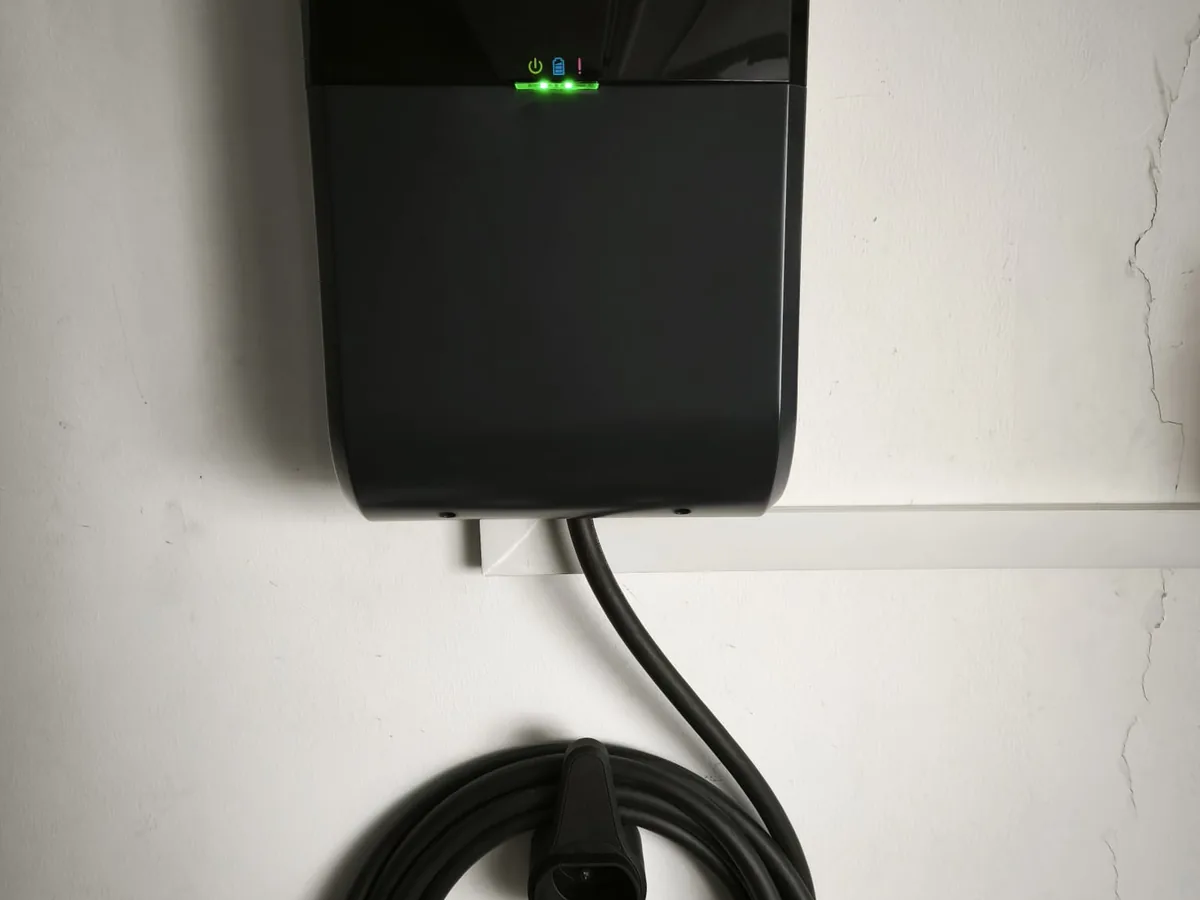
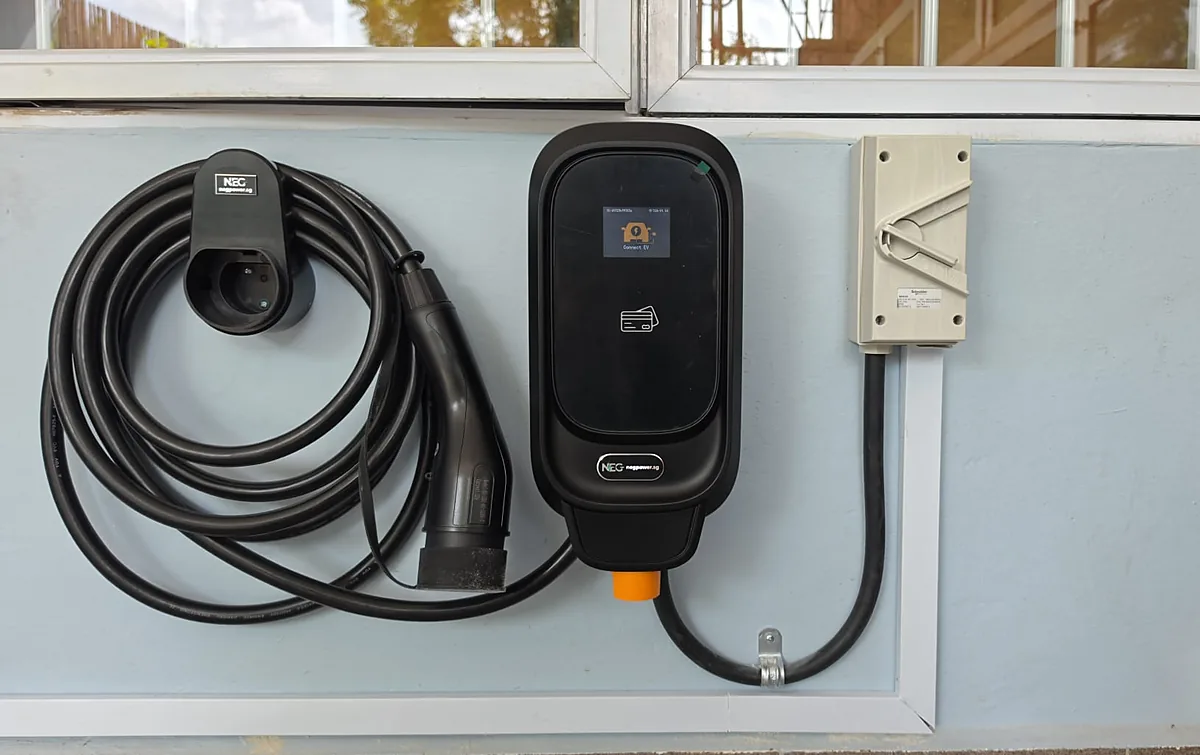
Tethered
- The cable is fixed to the charger, with a Type 2 connector on the end.
- Nothing to carry or store: lift the connector off its holster and plug in.
- Choose a cable long enough to reach your car's inlet from where the charger is mounted.
The simplest set-up for one household and one parking spot.
Socketed (untethered)
- The charger has a Type 2 socket, and you plug in your own Type 2 charging cable.
- Suits shared bays where more than one car uses the point.
- The cable has to be stored somewhere, and kept with the car if you use it elsewhere.
Worth it where different cars share the charger.
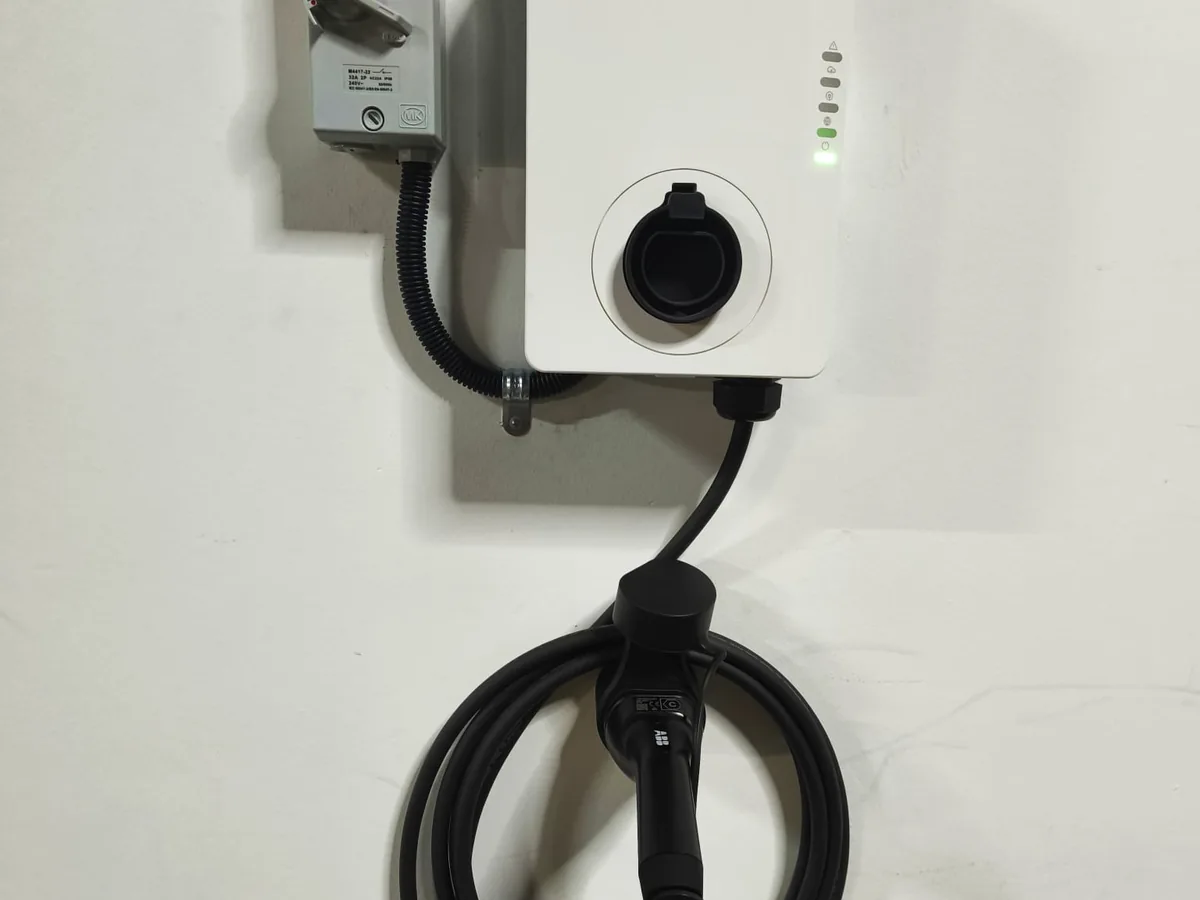
An approved model. Whatever the cable arrangement, the charger must be an LTA type-approved model, and you can check its approval label on OneMotoring using the type approval ID printed on it. Every brand we install is type-approved; you can compare all twelve brands side by side, or browse the Type 2 AC wall chargers we fit.
The right size. As the pins section showed, the connector does not decide the speed: your supply and your car's onboard charger do. Our guide to choosing a home EV charger works through it, and the free site survey confirms it before anything is quoted.
Where the inlet is. Check which side of the car the inlet is on and how you usually park. That decides where the charger goes, and how long a tethered cable needs to be.
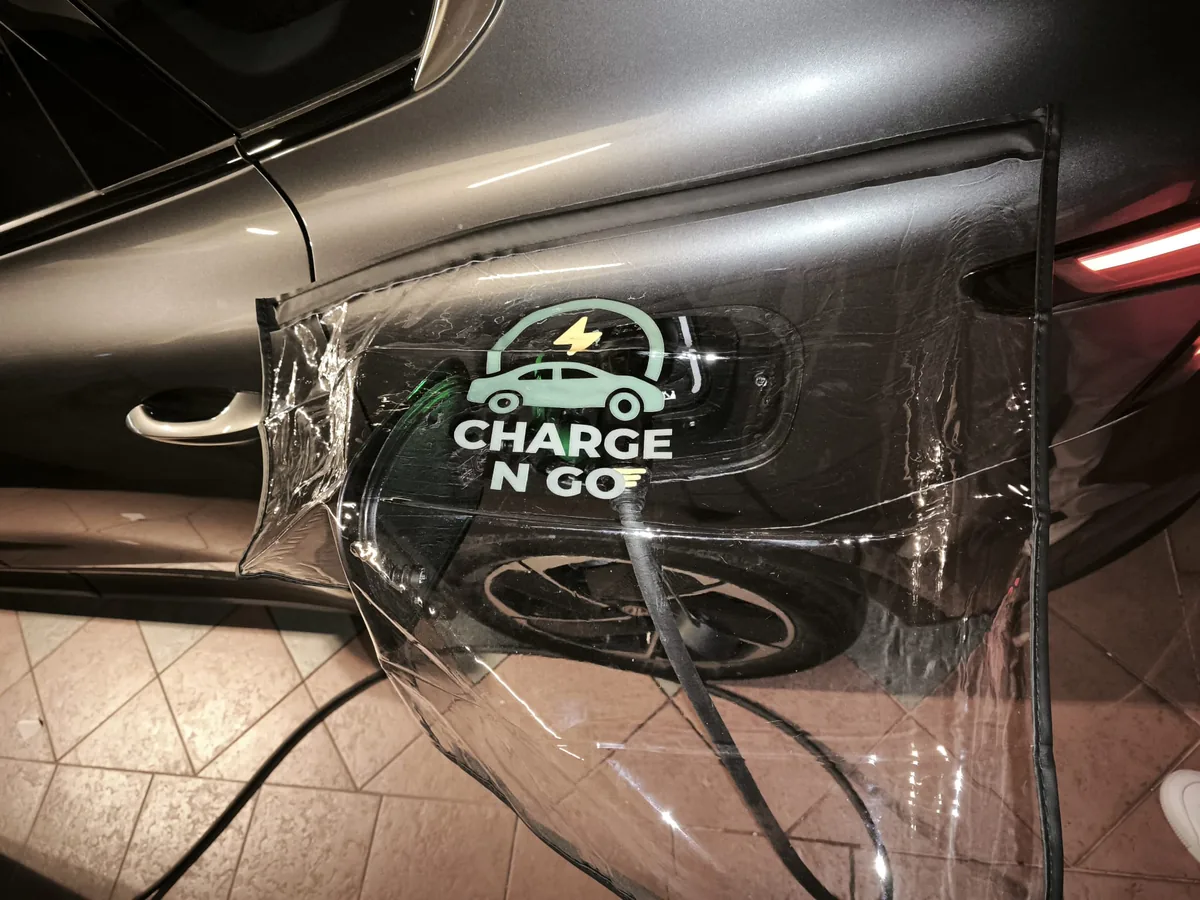
Portable charging uses the same connector. Our portable EV charger, the QuickCharge Mercury 7 II, has a Type 2 connector. LTA allows portable chargers only at landed homes, and the portable page sets out the conditions.
Can I use an adaptor?
No. LTA's driver guide rules out adaptors and extension cords: they are not built for EV charging, and using them could lead to electrocution or fire. Under the EV Charging Act it is an offence to use a charger improperly, or to allow one to be used improperly.
The same guide is just as clear about the socket end: 13A household sockets are not designed for EV batteries, and using them is prohibited under the Act. A charging cable that runs from a household socket is not an option either, whatever connector is on the car end.
CCS2 at a business: DC chargers
For a workplace, dealership, depot or fleet, CCS2 is the DC connector to specify. It matches the Combo 2 inlets LTA describes on EVs here, and it meets LTA's rule for any charger the public can use.
If members of the public will be able to use your chargers, that rule applies in full: Type 2 and/or CCS2 on every charger, with CHAdeMO only ever as an extra. Settle it at the planning stage, before the hardware is ordered.
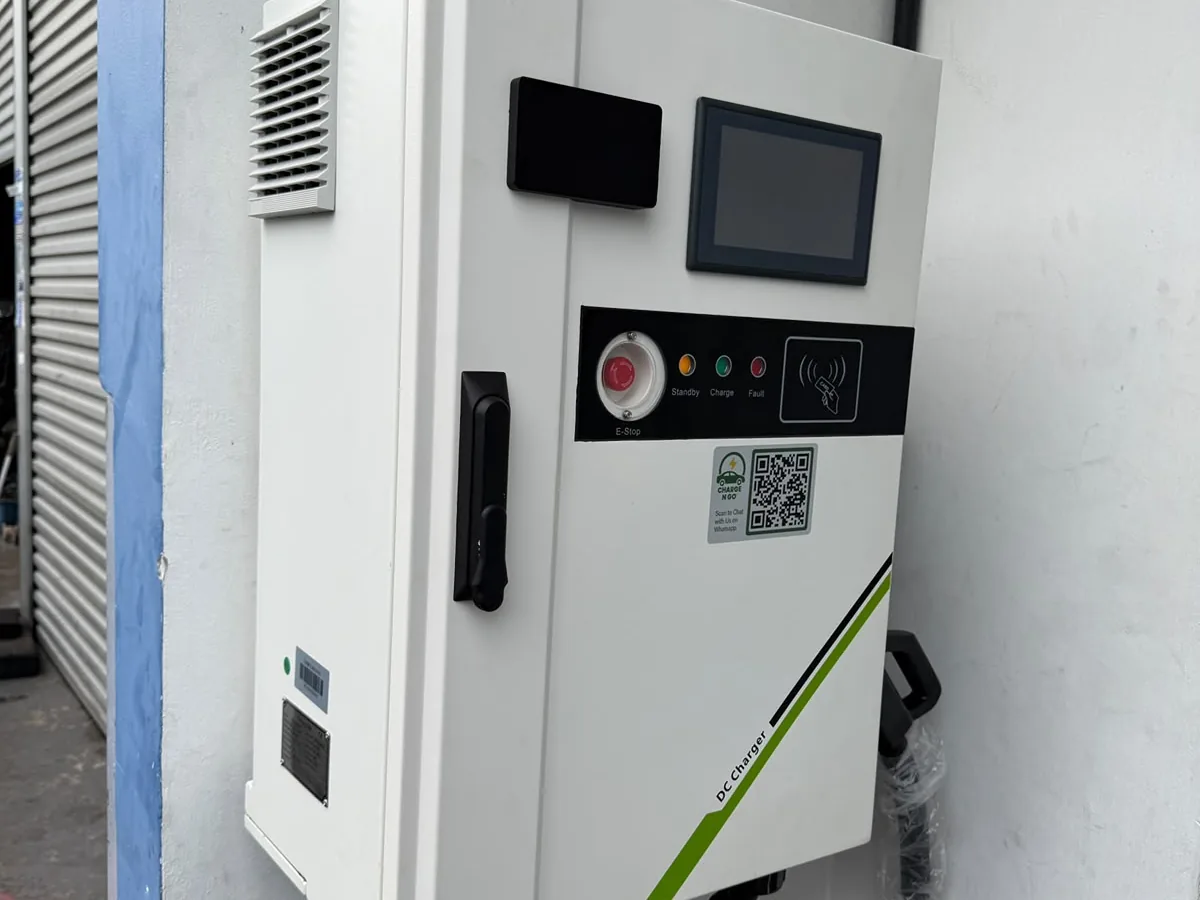
Our DC chargers, from the 30kW Hici DC30 wall unit to 60–240kW cabinets, all use CCS2 and support OCPP, the open protocol for managing access and billing. See our 30kW DC chargers, and read AC vs DC charging for which suits your site.
Sources
The official pages this guide was checked against.
- Regulating the safety of EV chargers (Land Transport Authority)
- Electric Vehicle Guide for Drivers (Land Transport Authority, 2024)
- Introduction of updated national electric vehicle charging standard (Land Transport Authority, 1 March 2022)
- Registration of EV chargers (Land Transport Authority)
- IEC 62196: EV charging plugs and connectors (Monta, February 2026)
- Type 2 connector (Wikipedia)
- Singapore elevates national standard for EV charging systems (Land Transport Authority, 31 March 2026)
- Combined Charging System Type 2 (CCS2) (Amphenol)
Written by Charge N Go's installation team. We supply and install EV chargers for homes and businesses across Singapore, and we update this guide when the rules or the sources above change.