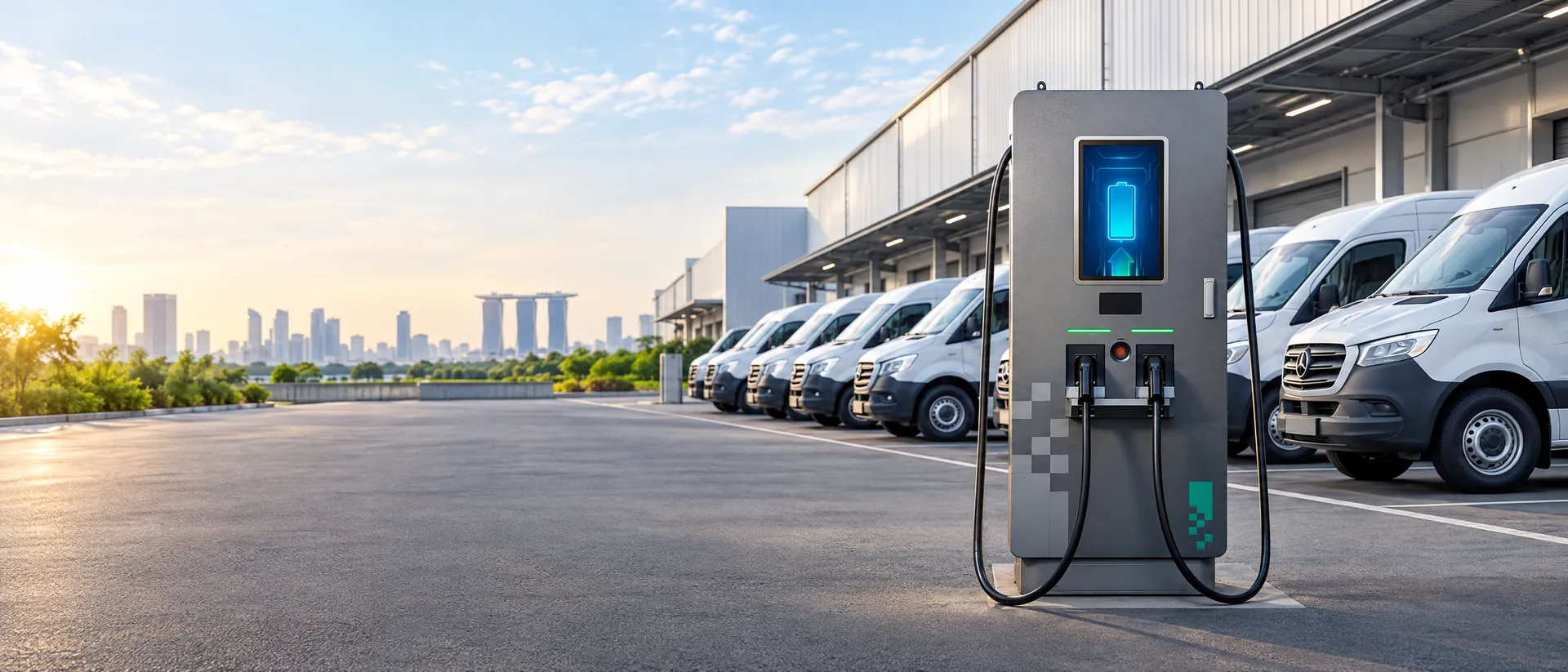
High-power DC for fleets that can't stand still
60kW to 240kW of CCS2 fast charging — 100km of range in as little as three and a half minutes. This is the tier that qualifies for LTA's EHVCG grant.
- 60–240kW output
- From ~3.5 min per 100 km
- EHVCG-eligible (50kW minimum met)
- OCPP billing + dynamic load management
When a vehicle standing still is costing you money
A logistics van, a coach or a private-hire car earns nothing while it charges. At 120kW a driver adds 100km in about seven minutes — short enough to fold into an existing break rather than schedule around. That is the whole argument for high-power DC: it converts charging from a planning problem into a pit stop.
It is also a serious piece of electrical equipment. A 240kW unit is not a wallbox with a bigger badge. It needs real supply capacity, proper protection, carefully planned cable routes, and often a conversation with SP Group before anything is ordered. We work all that out at the survey, so the number in your quote is the number you pay.
- CCS2 — Singapore's DC standard
- Twin-gun units, power-sharing across bays
- OCPP-managed and billable per session
- Dynamic load management to protect the main
Time to add 100 km of range
- 60kW charger14 min
- 120kW charger7 min
- 180kW charger4.7 min
- 240kW charger3.5 min
Indicative only. Assumes 14 kWh per 100 km and the charger holding its rated output. In practice DC charging tapers as the battery fills, and a car capped at 50kW will not charge faster on a 240kW unit — your car's onboard limit, battery size, state of charge and temperature all matter. We confirm realistic figures for your actual vehicles at the site survey.
How much power does your site actually need?
| Output | Per 100 km | Typical 10–80% | Best for |
|---|---|---|---|
| 60 kW | ~14 min | ~35–50 min | Retail and mixed-use carparks, taxi and private-hire |
| 120 kW | ~7 min | ~25–35 min | Fleet depots, logistics, high-turnover public bays |
| 180 kW | ~4.7 min | ~15–25 min | Heavy vehicles, coaches, en-route hubs |
| 240 kW | ~3.5 min | ~12–20 min | Buses, prime movers, the heaviest duty cycles |
Indicative for a vehicle able to accept the full rate. Real speed depends on the vehicle's maximum DC rate, battery size, state of charge and temperature — a vehicle capped at 50kW will not charge faster on a 240kW unit. Heavy vehicles vary widely. Confirmed at your site survey.
Speed, grant support, billing and managed load
Minutes, not hours
At 120kW and above, charging fits inside a driver break. Remote monitoring and fault alerts keep units available, so drivers are not waiting and vehicles are not idle.
EHVCG grant support
LTA co-funds 50% of eligible costs, capped at S$30,000 per charger, for operators registering new electric heavy vehicles. We scope a compliant setup and support the application.
OCPP billing
An open OCPP system gives you access control, live usage data and reports, and lets you bill per kWh or per session. The charger becomes something you manage and earn from, rather than a cost.
Managed load
Dynamic load management shares available supply across chargers, so you can add bays without tripping the main or funding a larger supply than you need.
AC is for overnight. DC is for turnaround.
The question is not which is faster — it is how long your vehicles actually sit still. Park overnight and AC is cheaper and simpler. Turn vehicles around during the working day and you need DC.
AC (Level 2)
For vehicles that sit still for hours
- Typical power
- 7.4–22 kW
- Charge time
- Overnight — hours, not minutes
- Best setting
- Homes and workplaces
- Supply works
- Minimal
- EHVCG
- Not eligible
- Connector
- Type 2
DC 30kW
The step up that skips the supply upgrade
- Typical power
- 30 kW
- Charge time
- About half an hour per 100 km
- Best setting
- Dealerships and light fleet
- Supply works
- Modest
- EHVCG
- Not eligible — below the 50kW threshold
- Connector
- CCS2
DC 60–240kW
For depots and heavy vehicles
- Typical power
- 60–240 kW
- Charge time
- Minutes
- Best setting
- Depots, heavy vehicles, public charging
- Supply works
- Significant — often a supply upgrade
- EHVCG
- Eligible where the applicant qualifies
- Connector
- CCS2
Many commercial sites run a mix — AC for long-dwell parking, DC for fast turnaround. Not sure of the split? We assess your vehicles, dwell time and supply, then recommend honestly.
Frequently asked questions
Am I eligible for the EHVCG grant?
The Electric Heavy Vehicle Charger Grant is tied to the vehicle, not just the charger. You must be the registered owner of a new electric heavy vehicle, with the Additional Registration Fee paid, registered between 1 January 2026 and 31 December 2028. The charger has to be rated at least 50kW. LTA pays half the eligible cost: the charging system, the Licensed Electrical Worker's fees, and the cabling and installation. The most it pays is S$30,000 for each charger, for up to three chargers at one site. You apply through the Business Grant Portal. We check whether your project qualifies and help with the paperwork.
How much power supply do I need for a 240kW charger?
Considerably more than most sites have spare. A single 240kW unit draws roughly as much as a small building. So the honest answer is that it depends on your incoming supply, the load you already carry, and your switchboard capacity. Often it means a supply upgrade, or a conversation with SP Group about a transformer. We measure all of that at the survey, before quoting. Finding it out halfway through an installation is how commercial EV projects go over budget.
Can I bill drivers or the public?
Yes. Our DC chargers run on OCPP, so they connect to an open management system for remote monitoring, access control, usage reports and billing. You can charge staff, tenants, visitors or the public by the kWh or by the session, started and stopped with an RFID card or an app. You can set different rates for different groups, and pull the reports your accounts team needs.
What is CCS2?
CCS2 (Combined Charging System, Type 2) is the DC fast-charging connector standard adopted across Singapore. It adds two DC pins beneath the Type 2 AC inlet, so a single port handles both. Every EV sold for the local market supports CCS2 for DC charging, so a CCS2 charger works across the fleet. A handful of older models used CHAdeMO, but CCS2 is the standard here.
Will my vehicles actually reach the rated speed?
Only if they can accept it. The charging speed is set by whichever is lower: the charger's output, or the most DC your vehicle can take. It also slows down as the battery fills, so the last 20% is always slower than the first. A van limited to 80kW gains nothing from a 240kW unit. We check what your actual vehicles accept before recommending an output, because paying for power the fleet cannot use is the most common way commercial sites overspend on DC.
How long does a high-power DC installation take?
The charger itself goes in quickly. The variable is the electrical work ahead of it — cable runs, protection, switchroom changes and, where required, a supply upgrade with lead times outside our control. A straightforward 60kW install on an adequate supply can be days. A 240kW installation needing a supply upgrade is a project measured in weeks or months. We give you a realistic programme at the survey rather than an optimistic one at the quote.
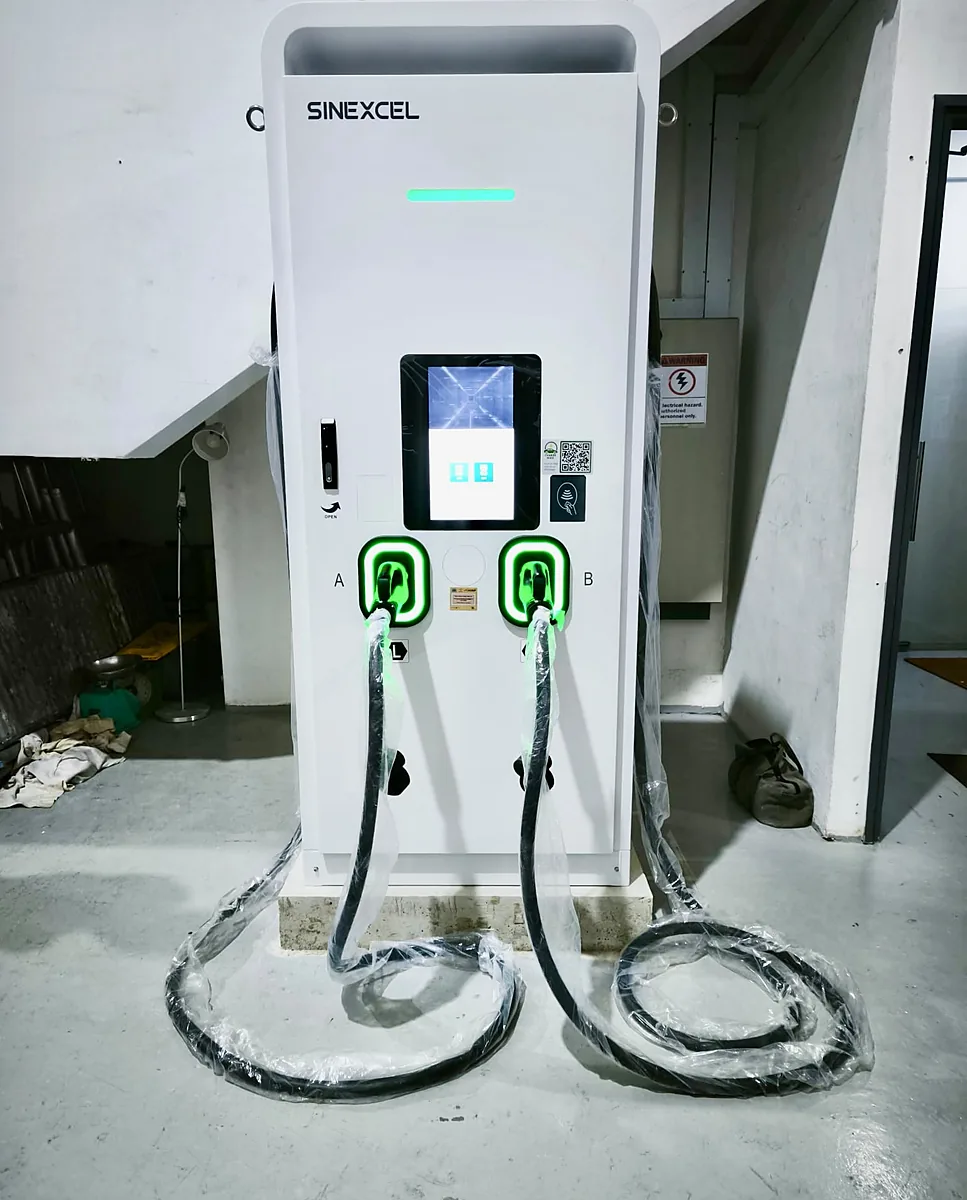
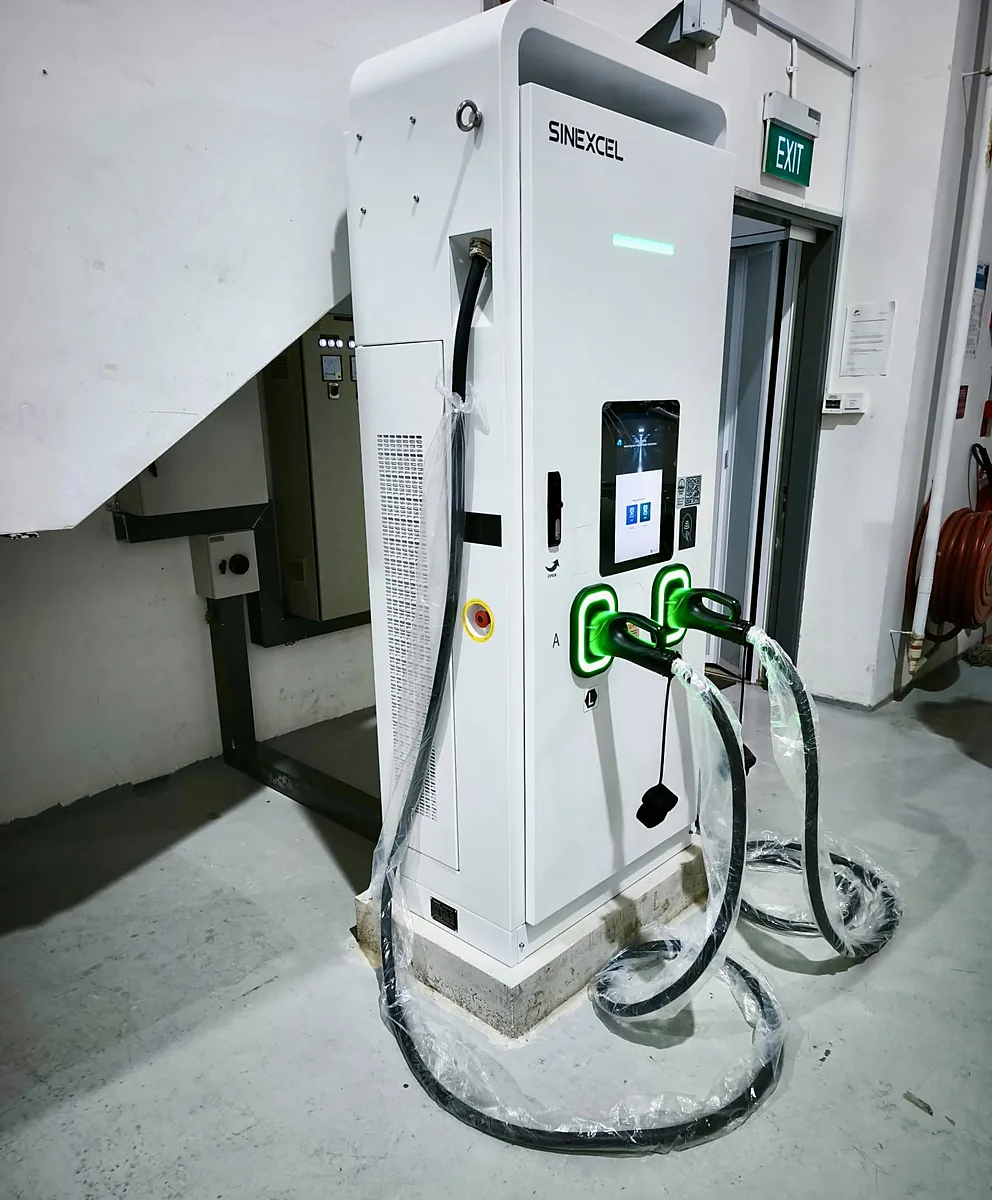
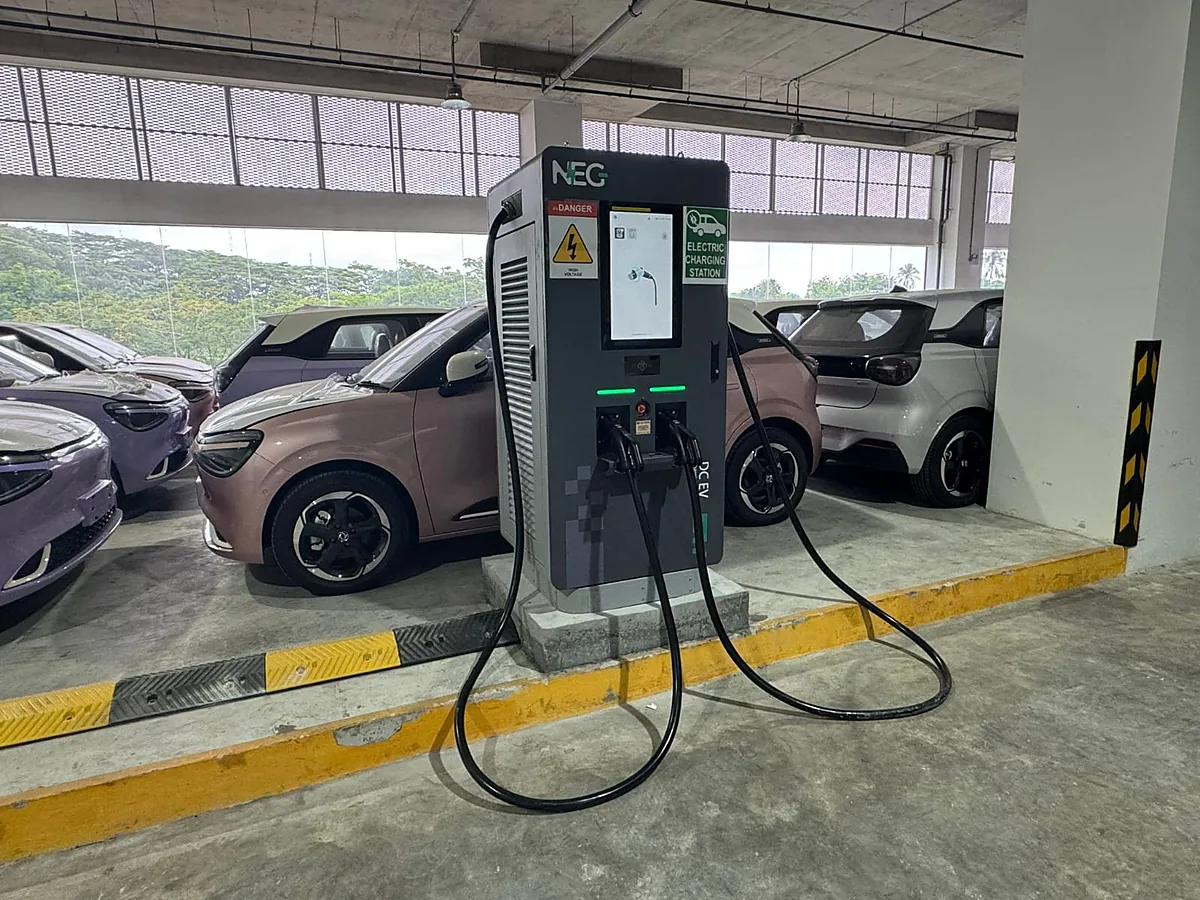
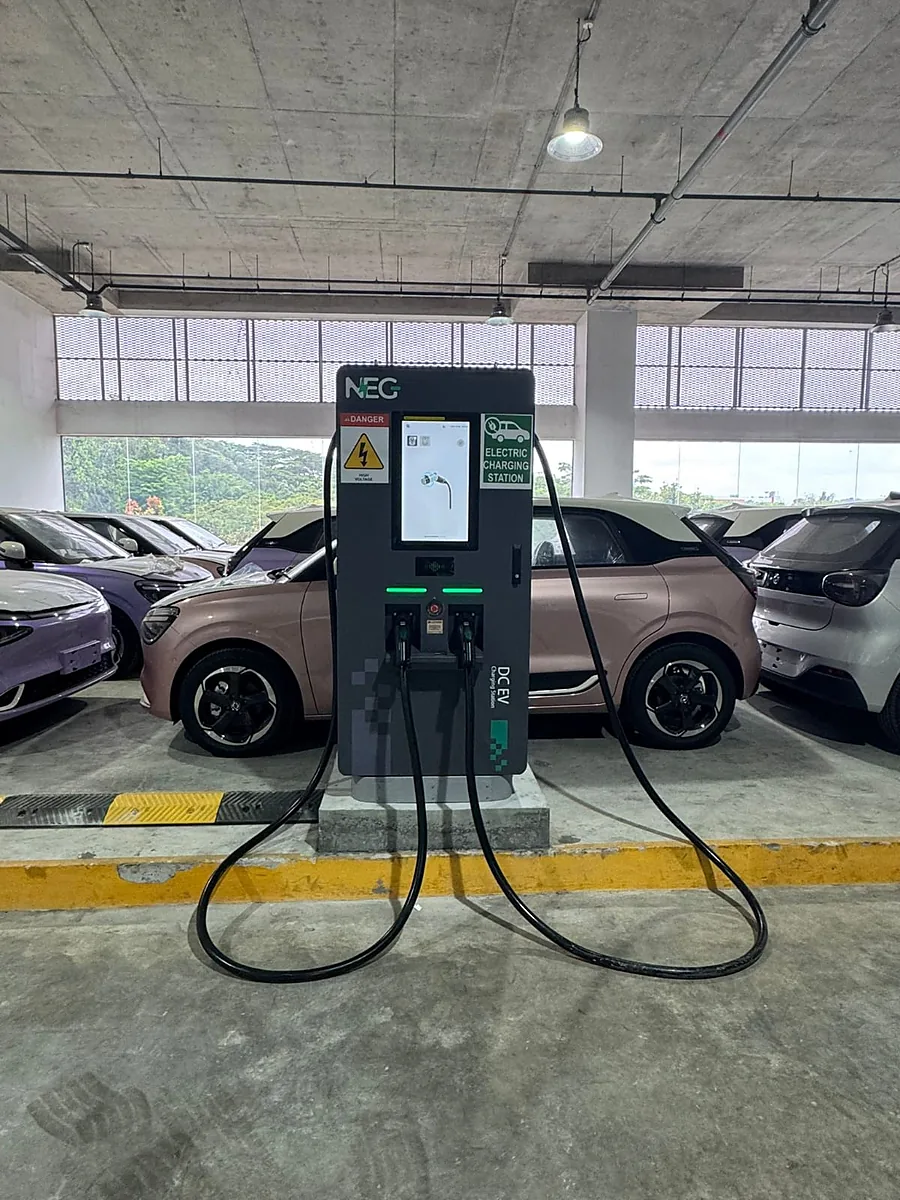
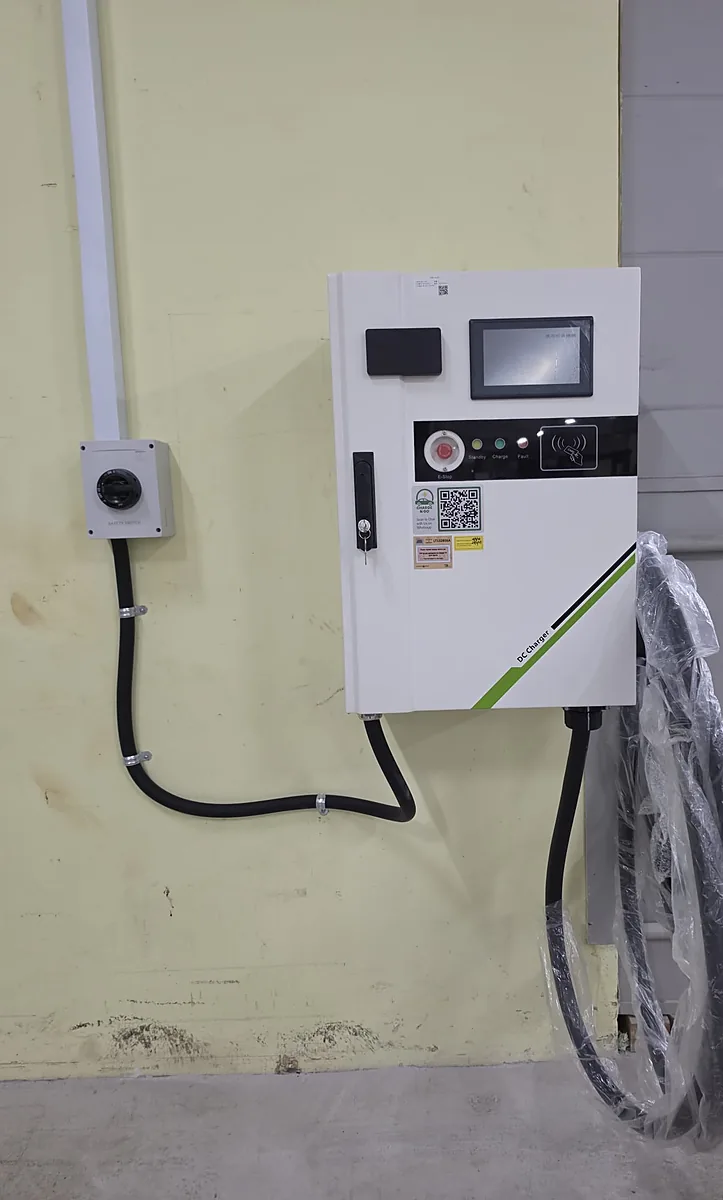
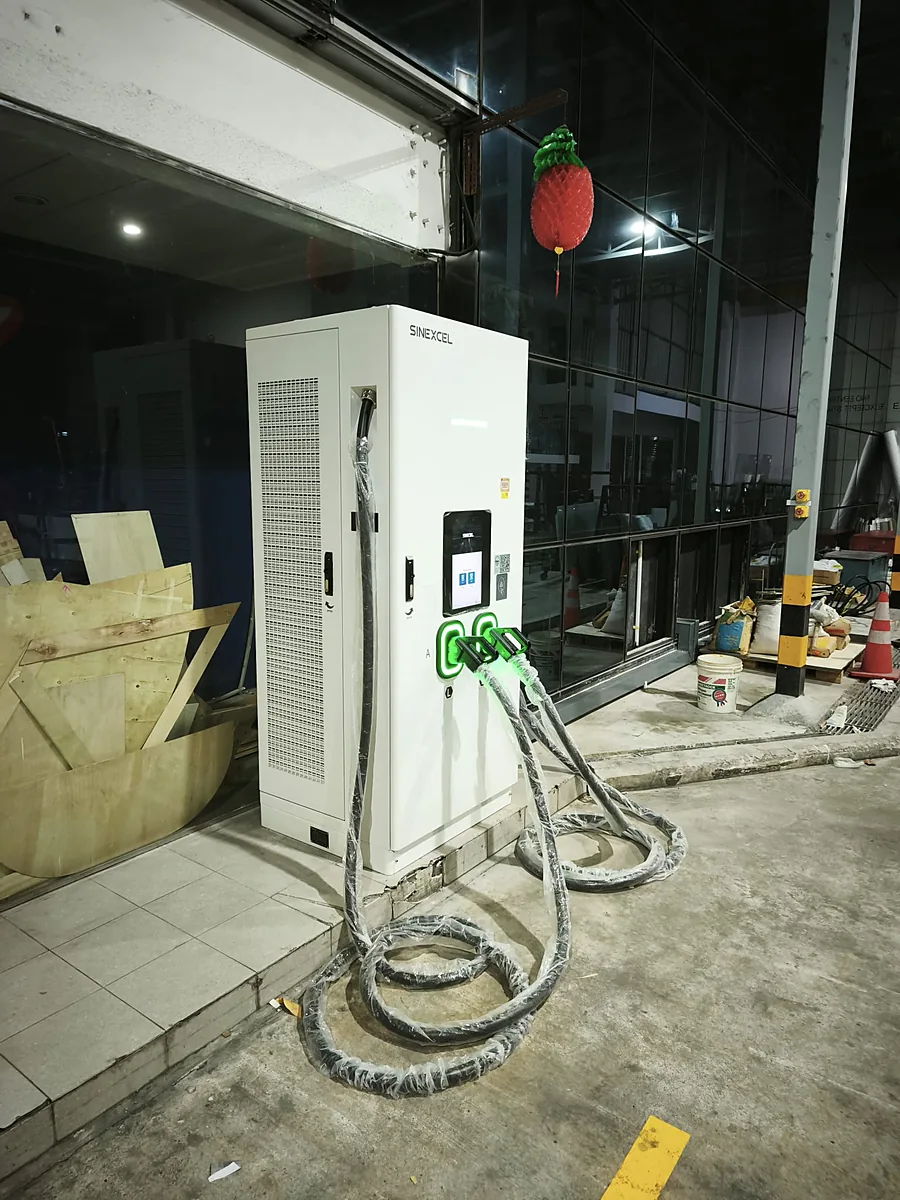
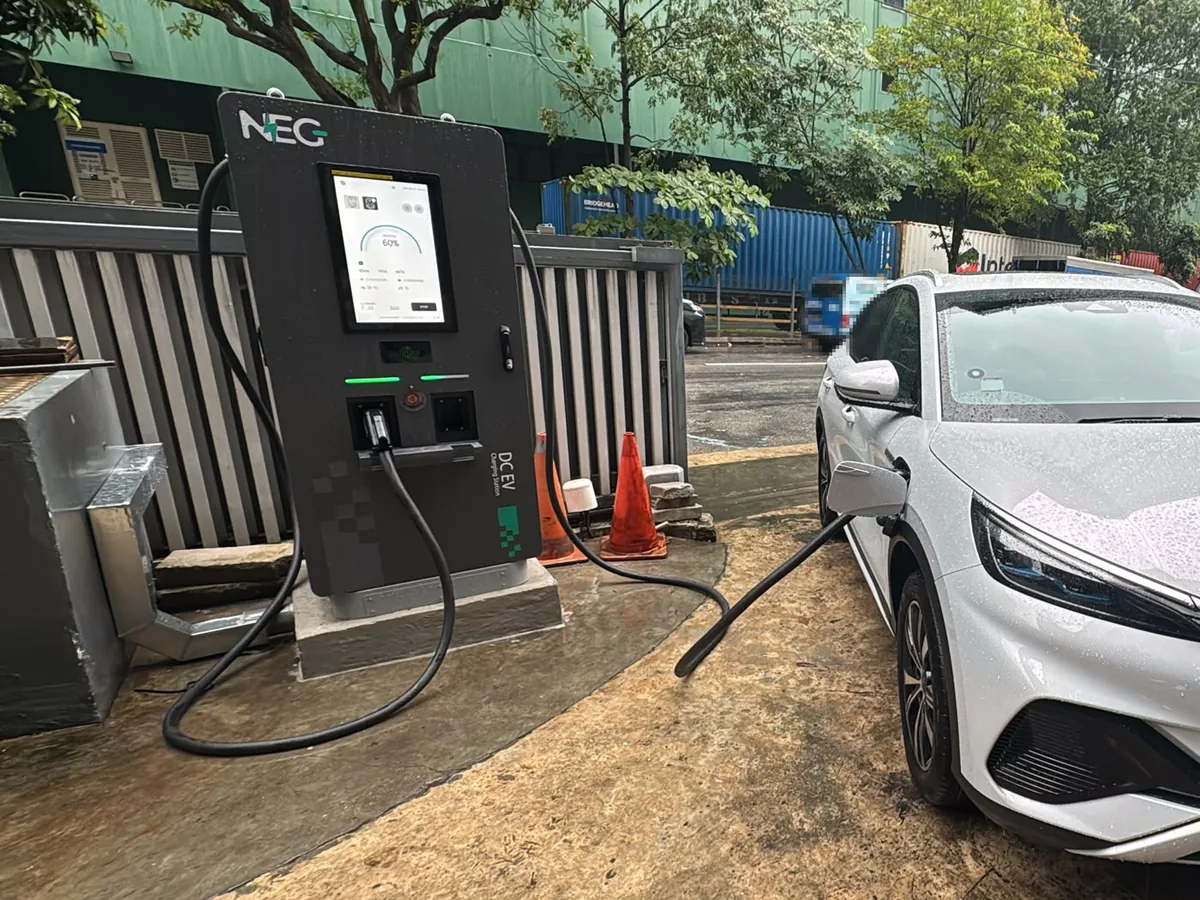
DC fast charging installations we have photographed
Real jobs, shot on site at handover — not supplier renders.