How to choose an EV charger installer in Singapore
Who may install and certify an EV charger in Singapore, what LTA does and does not approve, and the checks to make before you hire anyone.
The short answer
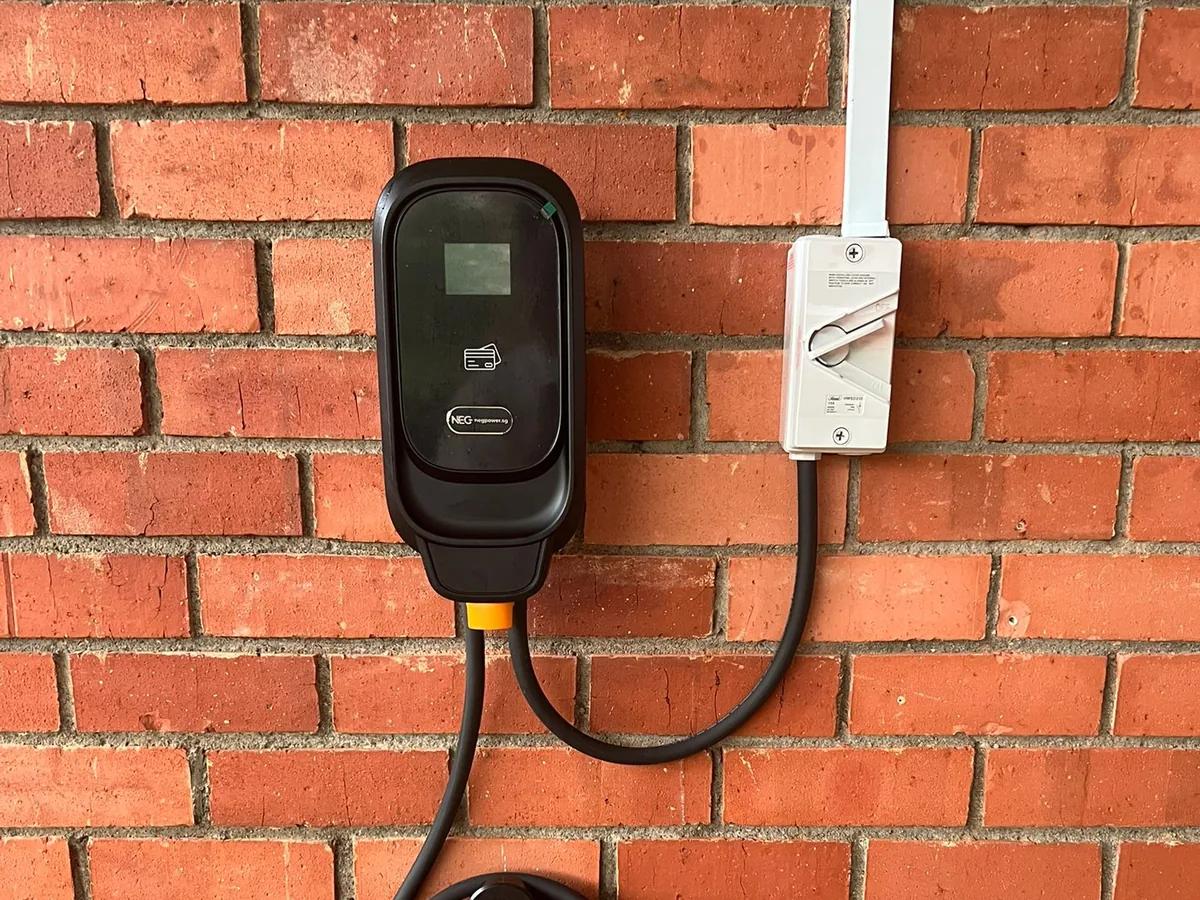
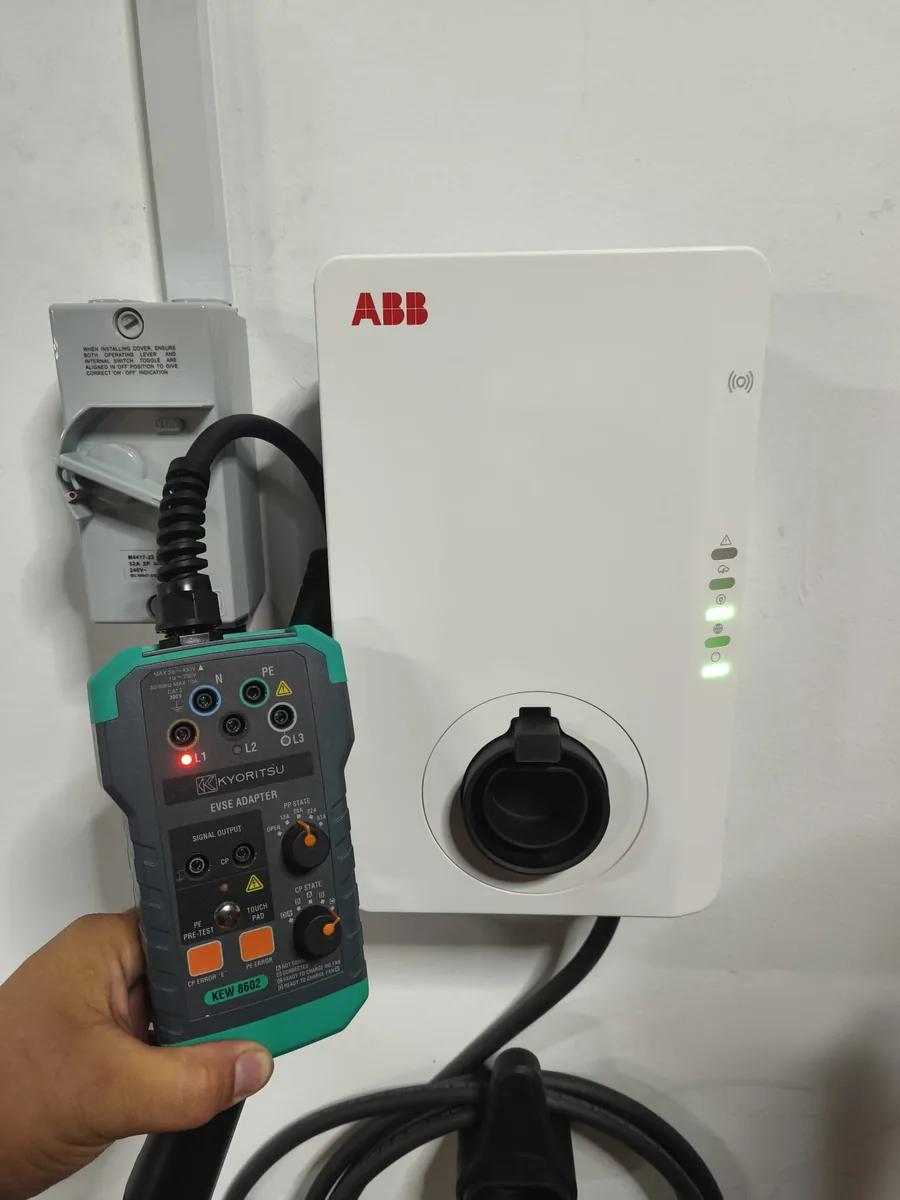
In Singapore a fixed EV charger must be installed by a Licensed Electrical Worker (LEW) and certified by a charger equipment specialist, and the charger model itself must be LTA type-approved. LTA approves charger models, not installer companies, so check the people and the paperwork: the LEW's licence, the certifying specialist, the approval label on the charger, and the Certificate of Fitness you should receive.
- LTA type-approves charger models; people are licensed (LEWs, by EMA) or certified (charger equipment specialists), not the company brand.
- A fixed charger is installed by a LEW and certified by a charger equipment specialist, who issues the Certificate of Fitness.
- Ask for the LEW's name and licence number and look it up on the public EMA search that LTA points to.
- 'CE certified' or 'complies with IEC standards' is not proof of LTA type approval; look for the approval label.
- As the owner you are responsible for registration and for periodic inspections, so keep every certificate.
- A free site survey should leave you with a written scope you can compare between installers.
On this page (6 sections)
Who is allowed to install and certify an EV charger?
Singapore's rules split an EV charger job between different people, and each has a defined role. Under the Electric Vehicles Charging Act, LTA says the installation of a fixed EV charger must be carried out by a Licensed Electrical Worker, and that certifying the charger as fit for charging must be done by a charger equipment specialist. LEWs are licensed by the Energy Market Authority (EMA). Equipment specialists appear on a list published by LTA.
The charger itself must also be a type-approved model. LTA's guidelines say only type-approved models may be installed or certified, and that the charger must be installed in line with the national standard, TR 25. Our guide to TR 25 and SS 722 explains what the standard covers.
| Step | Who does it | What you should end up with |
|---|---|---|
| Choose a type-approved charger model | You, with your installer's advice | A charger with an LTA approval label on it |
| Install the charger | A Licensed Electrical Worker | A completed installation checklist, endorsed by the LEW, and the Certificate of Fitness (CoF) passed on |
| Certify the charger as fit for charging | A certified charger equipment specialist | The Certificate of Fitness, issued to you as the owner |
| Register the charger with LTA | You as owner, or someone you appoint | A registration mark to fix on the charger within 60 days |
| Inspect and maintain it | A charger equipment specialist, and a LEW where the rules require | A Certificate of Continued Fitness after each periodic inspection |
That structure is why 'who will install my charger?' is only half the question. The better one is 'which LEW will do the electrical work, which specialist will certify it, and what paperwork will I be handed at the end?' Our guide to LTA approval and registration walks through the same chain from the charger's side.
What LTA approves, and what it does not
Searches such as 'LTA approved EV charger installer' are common, but in the LTA pages we checked, the approval is for charger models. Under the Act, all EV charger models must be type-approved by LTA before they can be supplied, and each approved charger carries an approval label as proof. The people involved are licensed or certified under separate rules: LEWs by EMA, and equipment specialists through LTA's certification course.
LTA's published rules distinguish charger-model approval from the qualifications of the people doing the work. A company's claim to be an 'LTA-approved installer' does not establish either. Ask for the named LEW and certifying equipment specialist, and check the exact charger's approval label.
The same logic applies to cheap imports. A charger bought online and brought to an installer may not be an approved model, and an installer who is bound by the rules cannot install or certify it. Ask the model name before you buy anything, then check it against LTA's list of type-approved chargers, which the LTA safety page links to.
Five checks to make before you hire
None of these takes long, and a reputable installer will expect them. Put the answers in writing, in the quote or an email, so you have them later.
- 1
Ask for the LEW's name and licence number
LEW licences belong to individuals. LTA's guidelines point to EMA's public search for licensed workers, so you can confirm the person is licensed and see the licence is current. If an installer will not name the LEW who will do the work, that is your answer.
- 2
Ask who will certify the charger
The certifying charger equipment specialist must be certified, and LTA publishes a list of certified specialists. Ask for the name and check it against the list.
- 3
Ask for the exact charger model, and check the approval
Get the brand and model in writing. The charger should carry an LTA approval label, and its type approval ID is what you use when you register it. If the installer cannot show the label, do not proceed.
- 4
Ask which documents you will receive
You should receive the Certificate of Fitness issued after certification. You will need it for registration, and as the owner you must keep it. Ask also what warranty paperwork comes with the charger.
- 5
Ask who registers the charger, and how
Registration is the owner's responsibility. LTA lets you register yourself, or appoint a third party such as the installer to submit it, in which case you verify the details on OneMotoring and pay yourself. Agree this before the job, so nobody assumes the other party will do it.
If you also want the installer to handle servicing later, ask now whether they service chargers they did not install. Inspections are a recurring duty, and our maintenance and servicing page explains how often they fall due.
What a good site survey and quote should contain
A good quote follows a good survey. Check whether a package quote is provisional and what information about the parking space, board and cable route it is based on. A free site survey should leave you with enough written detail that two installers can be compared on the same scope.
| Item | What it should say | Why it matters |
|---|---|---|
| Charger model | Brand, model and power rating, plus confirmation it is LTA type-approved | Only type-approved models can be installed and certified |
| Charger location | Exactly where it will be mounted, in a garage or car park where a vehicle ordinarily parks | LTA allows chargers at residential premises only where a vehicle may ordinarily park |
| Power supply | What the existing supply and board can carry, and whether single-phase or three-phase | The supply sets how fast the charger can run; see the cost drivers |
| Electrical works | Cable route, isolator and any board work, carried out by a named LEW | This is the licensed part of the job |
| Certification | That a charger equipment specialist will certify it, and who | No certificate means no registration |
| Exclusions | What is not included, such as registration and any building or supply works | Surprises later usually sit in the exclusions |
Be wary of a quote that does not mention the electrical supply at all. For a home install, how the supply is set up at your property is often the biggest variable, and should be checked before the scope is finalised. For a shared or business site, the question of how many chargers the supply can run together matters even more.
Red flags that should make you stop
- No named LEW. The company name will not appear on EMA's worker search, because licences belong to individuals.
- A charger with no approval label, or only claims such as 'CE certified' or 'IEC compliant'.
- A promise that registration is 'not needed'. LTA says all EV chargers must be registered before use.
- A portable charger sold for a condo or shared car park. LTA's driver guide says non-fixed chargers are only permitted in landed private residences.
- Advice to use an adaptor or an extension cord. LTA lists adaptors and extension cords with non-fixed chargers as improper use.
- A quote with no survey, or a survey that never looks at the supply.
- Pressure to skip certification or paperwork to save time.
After the install: what you should be holding
A finished job is more than a working charger. At handover you should have the Certificate of Fitness, the charger model details including its type approval ID, the warranty terms, and a clear note of who to call if something goes wrong. Register the charger with LTA, then fix the registration mark on it within 60 days of registration.
We do not include the LTA registration fee in our quote, and we do not do the LTA registration for you. Registration is done by the charger's owner, and the fee is paid to LTA.
| Location | Who inspects | How often |
|---|---|---|
| Restricted access (a landed home's own parking) | A charger equipment specialist | Every 24 months |
| Any other location, such as a condo, workplace or car park | A charger equipment specialist, and a LEW | Specialist every 6 months; LEW every 12 months |
Put those dates in your calendar on the day of the install. If you are weighing an installer partly on after-sales, ask whether they offer to carry out those inspections and in what form. Whoever you choose, a final check is simple: could you show the certificates to LTA tomorrow if asked?
Sources
The official pages this guide was checked against.
- Regulating the safety of EV chargers (Land Transport Authority)
- Guidelines for the Supply of EV Chargers (Land Transport Authority, as of 15 October 2025)
- Registration of EV chargers (including transfer, relocation and de-registration) (Land Transport Authority)
- Guidelines for the Registration of EV Chargers (Land Transport Authority, as of 3 November 2025)
- Electric Vehicle Guide for Drivers (Land Transport Authority)
- EV charger type approval (OneMotoring, Land Transport Authority)
Written by Charge N Go's installation team. We supply and install EV chargers for homes and businesses across Singapore, and we update this guide when the rules or the sources above change.